
Gathering for Mass & AN UPDATE ON THE PASSAGE
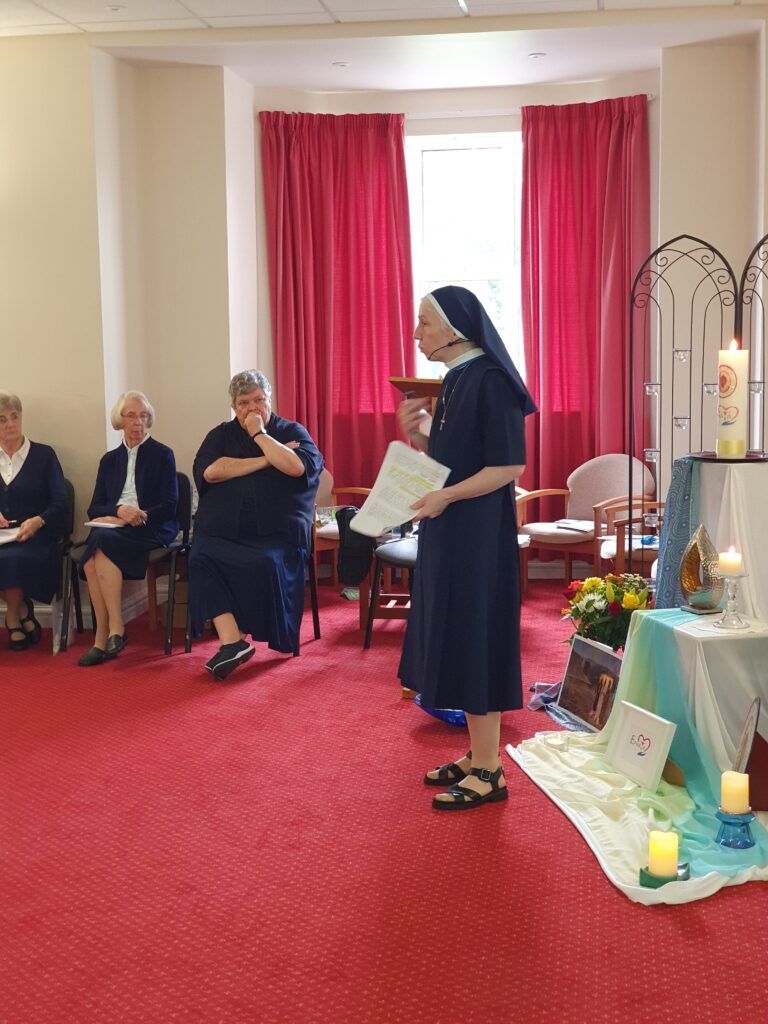
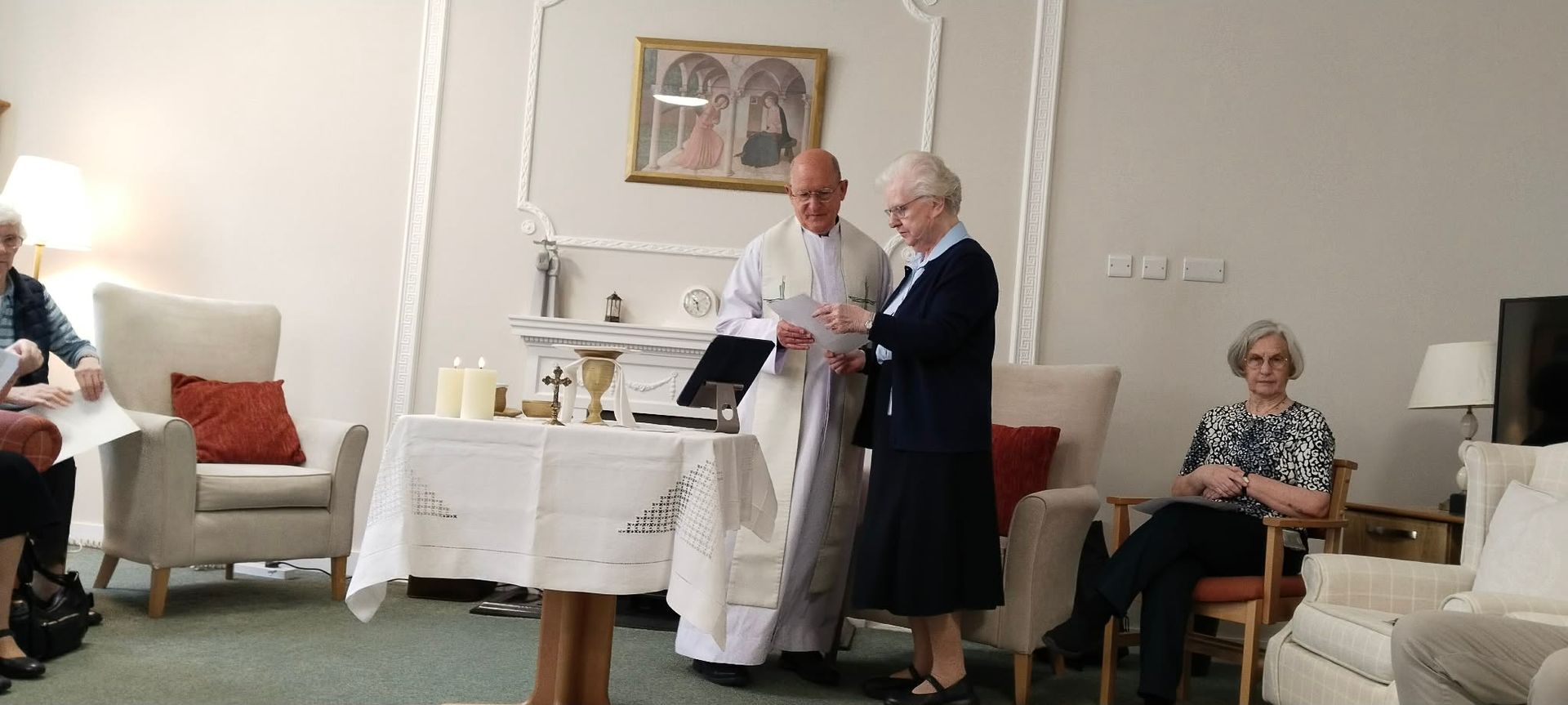
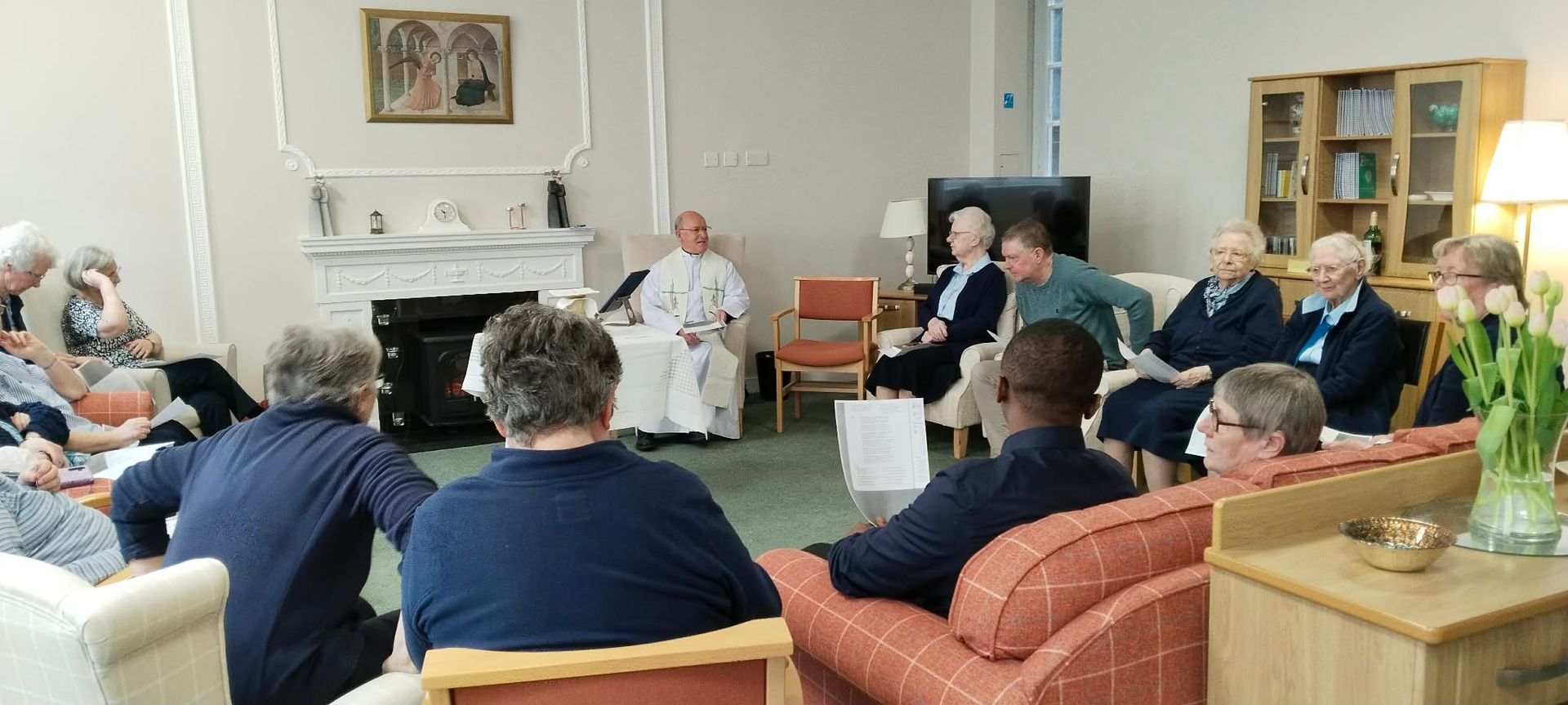
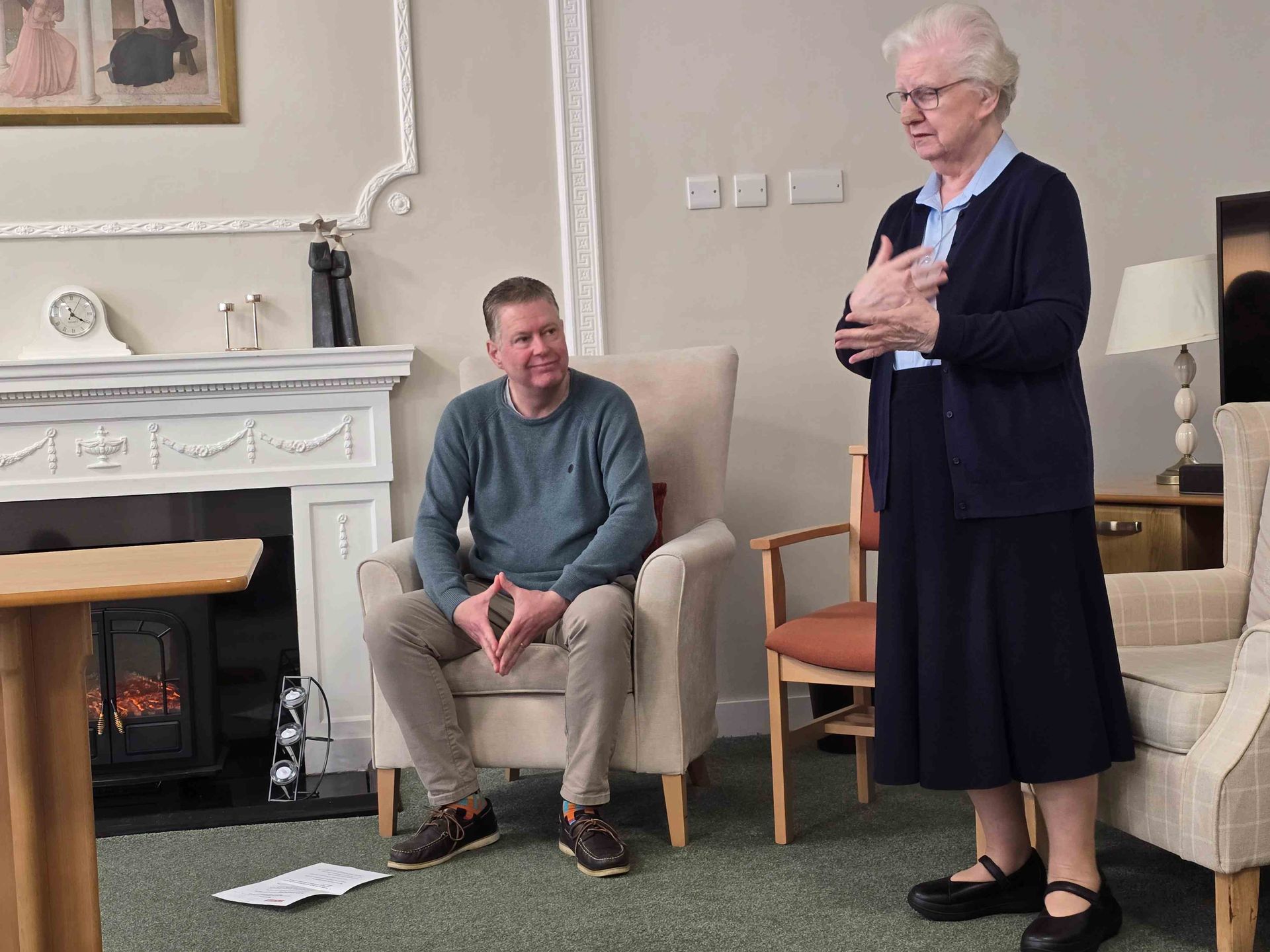
On Ascension Thursday, 14th May 2026. Fr Pat Brown joined Daughters of Charity to celebrate the Eucharist with them . Afterwards Mick Clarke, CEO of the Passage for the past 17 years, gathered with the Sisters in their sitting room in St Vincent’s, Carlisle Place, to recall the past history of the Passage and where it is going today.
History of the Passage,
The Passage was founded in 1980 by the Daughters of Charity in collaboration with Cardinal Hulme, the then Archbishop of Westminster. IT NOW runs London's largest voluntary sector day centre for homeless and vulnerable people helping over 200 people every day to access diverse services, including primary services (breakfast and lunch, showers, access to clothes, laundry facilities, etc.), housing and welfare advice, health services and employment and training services. The day centre, located in Westminster, operates alongside homelessness prevention initiatives and an innovative modern slavery referral program.
Alongside its day centre, The Passage manages multiple accommodation projects: Passage House, a 37-bed rapid-response hostel, as well as Montfort House, which contains 16 self-contained studio flats with on-site staff support for those preparing for independent living, and Bentley House, a 20-bed accommodation project offering more long-term accommodation support.
The Passage became the first charity organization that Prince William visited with his mother, Princess Diana in 1993. Since then, he has made numerous public and private trips to the organisation. On February 13, 2019, Prince William became the patron of the organization At the end of 2023, he visited The Passage to help volunteers serve lunch at their client Christmas party.
Developments over the years
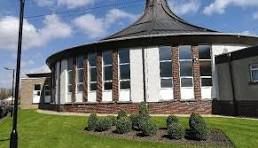
The Passage Day Centre (St Vincent’s Centre, SW1P 1NL) remains a key homelessness service in Westminster, Over the decades it has been investing in improving its existing facilities and services:. It has already undergone a major refurbishment (completed 2016) creating: modern day centre facilities, medical rooms, training suites, women’s services, community spaces and accommodation units. Ongoing smaller-scale projects (e.g. clothing store, laundry provision) show continued enhancement of the day‑centre services in response to growing demand.
Future direction:
Strategic priorities for the future include:
a) Prevention-first approach
b) Integrated support services
c) Responding to rising demand
share this
DAUGHTERS OF CHARITY NEWS
Related Articles